
n today’s fast-paced world, it’s easy to overlook the nutritional needs of our bodies. Despite our best efforts, we may not always be able to get all the essential nutrients from food alone. That’s where supplements come in — offering a convenient and effective way to enhance our health and well-being. In this guide, we’ll explore what supplements are, their benefits, common types, and how to use them to boost your health naturally.
What Are Supplements?

Supplements are products designed to add extra nutrients to your diet. They can be taken in various forms such as pills, capsules, powders, gummies, or liquids. The primary purpose of supplements is to fill in any nutritional gaps in your diet and support your body’s overall function.
Common supplements include vitamins, minerals, herbs, amino acids, and fatty acids. Supplements are not meant to replace whole foods but rather complement them by providing additional nutrients that may be lacking in your regular meals.
Why Do You Need Supplements?
While eating a balanced, nutritious diet is essential, it’s not always possible to meet your nutritional requirements through food alone. Factors like busy schedules, poor eating habits, or specific health conditions can result in nutrient deficiencies. Supplements are especially beneficial for:
- People with dietary restrictions (e.g., vegetarians or vegans)
- Older adults who may need extra support for bone health or immune function
- Pregnant women who require extra nutrients like folic acid
- Athletes and fitness enthusiasts looking for performance-enhancing supplements
- Individuals with chronic conditions such as anemia, low immunity, or digestive issues
Types of Supplements and Their Benefitsz
1. Vitamins and Minerals
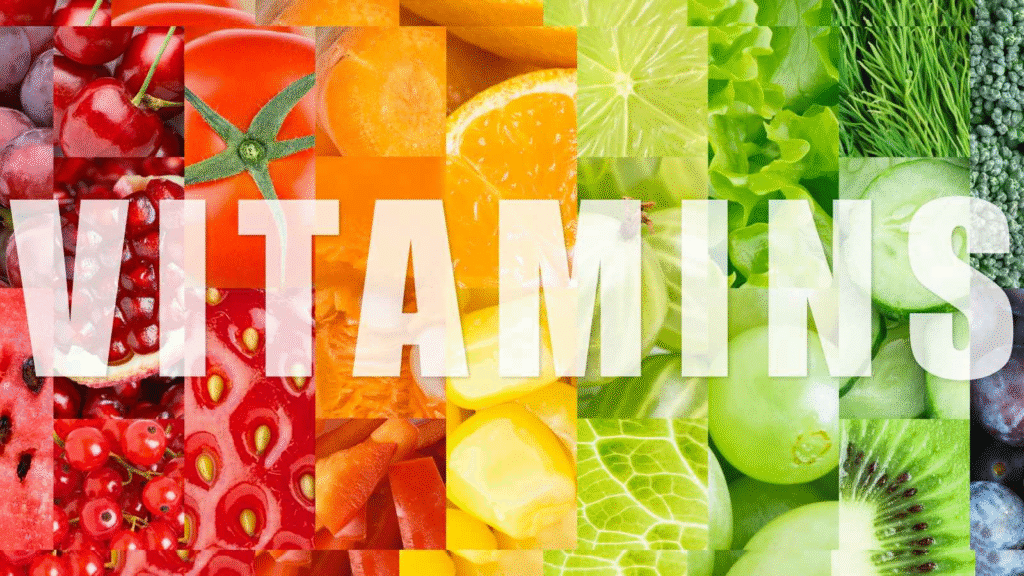
Vitamins and minerals are essential nutrients that support the body’s various functions. They help with everything from energy production to immune health.
- Vitamin D: Supports bone health and immune function. It’s especially important for those who get limited exposure to sunlight.
- Vitamin C: Boosts immunity, fights free radicals, and promotes healthy skin.
- Iron: Essential for carrying oxygen in the blood and preventing anemia, especially in women and athletes.
- Calcium: Crucial for strong bones and teeth, and supports nerve and muscle function.
2. Protein Supplements
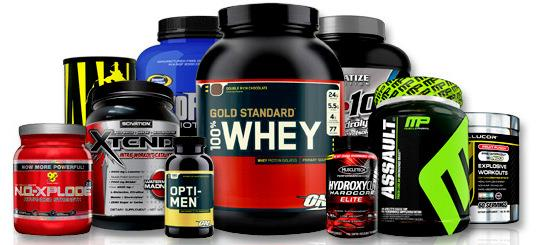
Protein is a vital building block of muscles, skin, and enzymes. It helps repair tissues and build muscle mass. For people who struggle to meet their protein requirements from food alone, protein powders or shakes can be a convenient source of high-quality protein.
- Whey protein: A complete protein that supports muscle recovery and growth.
- Plant-based protein: Ideal for vegetarians or vegans, offering protein from sources like pea or rice.
3. Omega-3 Fatty Acids

Omega-3 fatty acids are essential fats that have powerful anti-inflammatory properties. They support brain function, heart health, and joint health. Since many people don’t consume enough omega-3-rich foods (like fatty fish), fish oil supplements or flaxseed oil can help fill the gap.
- Benefits: Reduces the risk of heart disease, supports brain health, and promotes healthy joints.
4. Herbs and Botanicals
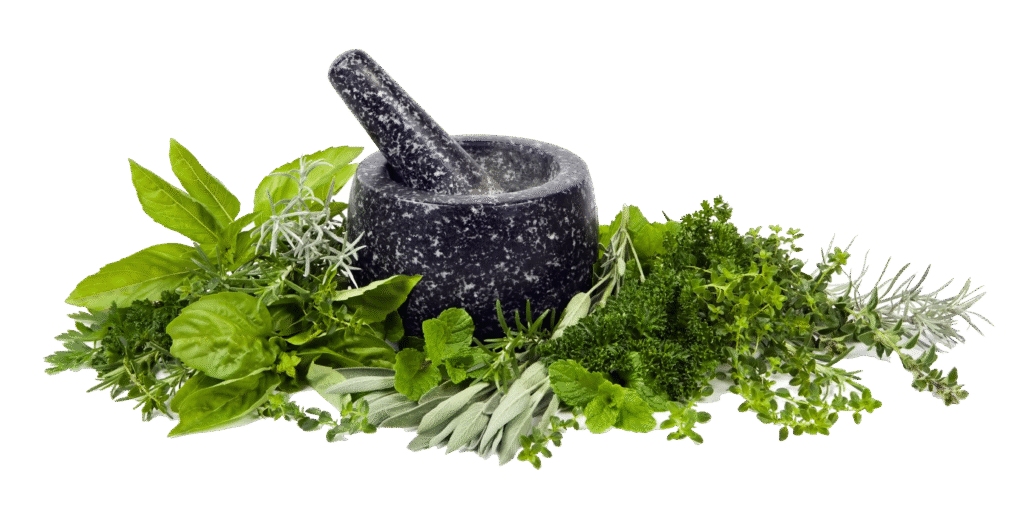
Herbal supplements have been used for centuries to promote health and treat various ailments. Some popular herbal supplements include:
- Ashwagandha: A well-known adaptogen that helps the body manage stress and boosts energy.
- Ginseng: Supports energy levels and improves mental clarity.
- Echinacea: Often used to boost the immune system, especially during cold and flu season.
5. Probiotics
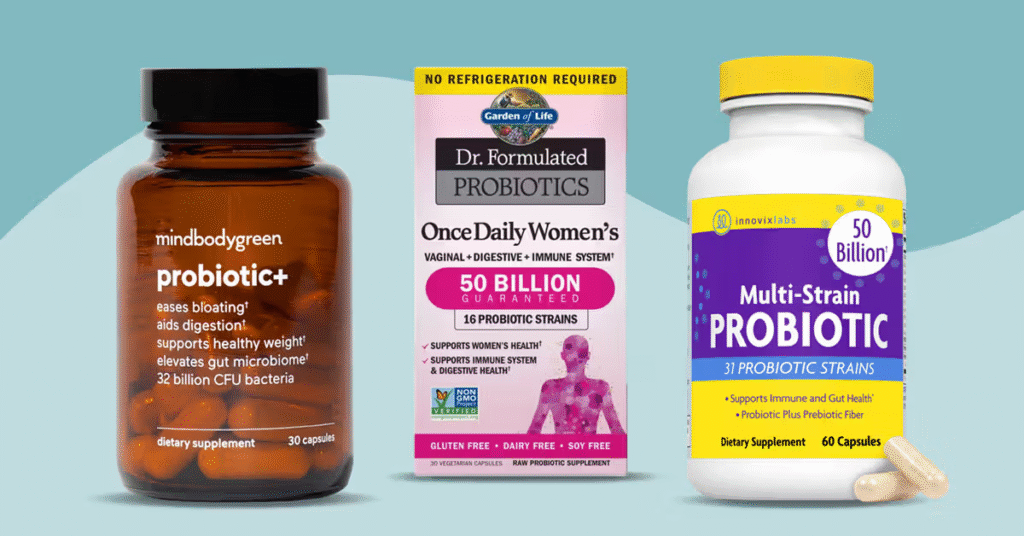
Probiotics are live bacteria that promote a healthy gut microbiome. They are crucial for digestion, immune function, and overall gut health. Probiotics can be taken as supplements or found in fermented foods like yogurt and kimchi.
- Benefits: Improves digestion, supports immune health, and helps balance gut bacteria.
How to Choose the Right Supplements for You
When selecting supplements, it’s essential to consider your personal health goals and nutritional needs. Here are some tips for making informed decisions:
- Consult with Your Healthcare Provider: Always check with your doctor before starting any supplement regimen, especially if you have underlying health conditions or take medication.
- Look for Quality: Choose supplements from reputable brands that follow good manufacturing practices (GMP) and have undergone third-party testing for quality and purity.
- Consider Your Diet: Supplements should fill in the gaps, not replace a healthy, balanced diet. Focus on eating whole foods and use supplements as a complement.
- Follow Dosage Instructions: Be mindful of the recommended dosage to avoid overconsumption, which could lead to adverse effects.
Potential Risks and Side Effects

While supplements can offer significant health benefits, they are not without their risks. Overusing or combining certain supplements can lead to unwanted side effects. Here are some things to keep in mind:
- Interactions with Medications: Certain supplements can interact with prescription drugs, affecting their effectiveness. For example, vitamin K can interfere with blood thinners.
- Overdosage: Taking high doses of fat-soluble vitamins like vitamin A or D can lead to toxicity since these vitamins accumulate in the body.
- Allergic Reactions: Some people may be allergic to specific ingredients in supplements, such as fish in omega-3 supplements.
Conclusion
Supplements are a valuable tool for boosting your health and supporting your body’s nutritional needs. When used correctly and in conjunction with a balanced diet, they can enhance overall well-being, promote muscle growth, support immune function, and improve skin health. Whether you need to fill nutritional gaps, improve athletic performance, or manage specific health conditions, supplements can help you achieve your health goals naturally.
However, it’s crucial to approach supplements with care, ensuring they complement a healthy lifestyle and are taken according to your individual needs. Always consult a healthcare professional before starting a supplement regimen, and choose quality products to get the most benefit.
The information provided in this blog is for general informational purposes only and should not be considered medical advice. Please consult a healthcare professional before starting any supplement regimen, particularly if you have underlying health conditions or are on medication.
#Supplements #HealthAndWellness #NutritionalSupplements #VitaminsAndMinerals #HealthyLiving #FitnessJourney #NaturalHealth #WellnessGoals #SupplementsForHealth #ImmuneSupport #HealthyLifestyle #Probiotics #ProteinSupplements #SkinCare #FitnessSupplements